

How to Choose an LED Screen for a Concert Stage Without Overspending
13 июля 2026, 15:44 | Мнение | Просмотры: 235
A concert screen can eat the budget quickly if the team starts with size alone. Bigger feels safer, especially when the client wants the show to look impressive from the back of the room. But a screen that is too fine, too heavy, or too complicated for the venue can cost more without making the audience experience better.
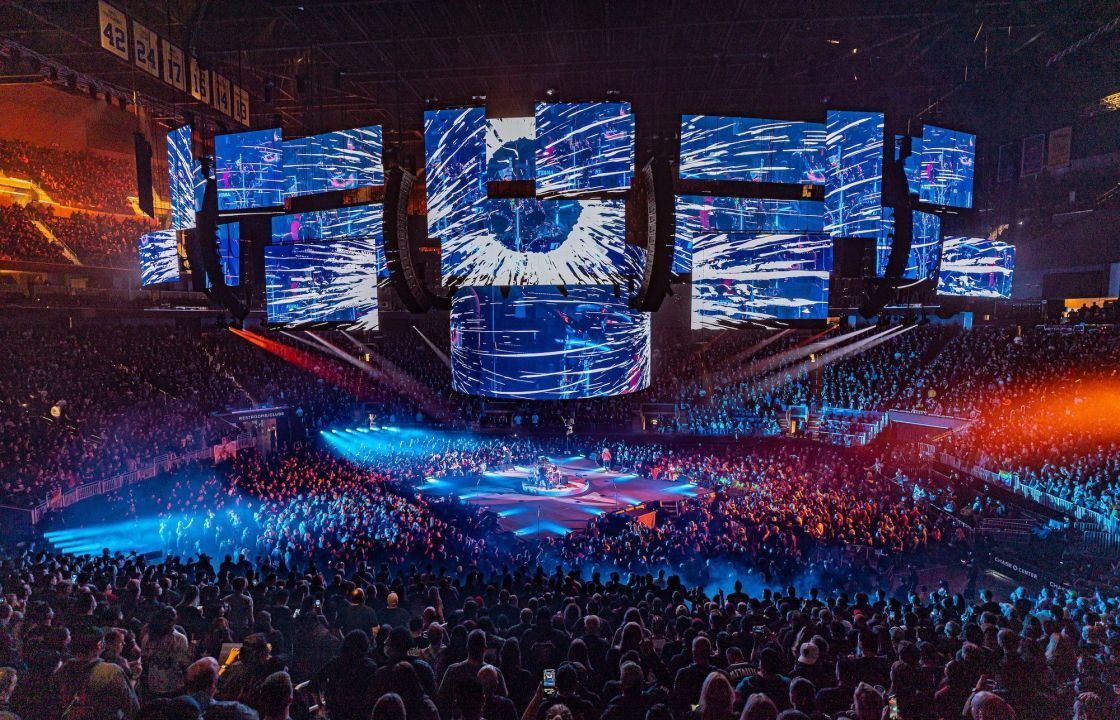
A concert LED screen is a modular video display built from LED panels, usually used as a stage backdrop, side screen, IMAG surface, or visual design element. The right choice depends on what the audience needs to see, how the screen will be built, and how often it will move.
Start With the Worst Seat
The first planning question should be the farthest viewer and the closest viewer. A front-row fan may notice pixel structure. A balcony guest may only need clear performer close-ups and bold visuals. Pixel pitch, the spacing between LED pixels, should be chosen around viewing distance and content detail rather than a generic idea of quality.
AVIXA training on display planning often brings the conversation back to legibility, image size, and sightlines. That is useful for concerts because the screen is not only decoration. It may carry lyrics, camera feeds, sponsor marks, or safety messages between sets.
Do Not Forget Weight and Handling
Concert screens live in trucks, cases, ballrooms, clubs, arenas, and outdoor stages. A panel that looks great in a showroom still has to be lifted, locked, cabled, serviced, and packed again. Weight, cabinet protection, rigging compatibility, front or rear access, and flight case layout all affect real cost.
Production teams comparing rental LED display panels should look beyond the panel face. Esdlumen's rental display families and accessories are relevant to stage work because concert jobs often depend on fast assembly, transport protection, and repeatable setup.
Test Real Content
A concert screen should be tested with the actual show material whenever possible. Fast motion, dark scenes, camera close-ups, thin logos, and bright white lyrics reveal different issues. A demo reel may hide problems that appear the moment the VJ sends the real playback file.
It also helps to separate must-have features from nice-to-have features. A one-night indoor show may not need the same cabinet protection, weather planning, or spare inventory as a touring package. A festival main stage may justify stronger structural planning and a more complete service kit. Treating every event the same is one way budgets drift.
The production manager should ask who will assemble the wall, who will operate it, who will repair it, and how long the crew has between load-in and doors. Those answers can change the best panel choice more than a small difference in resolution.
Procurement should also avoid buying for the biggest dream show if most events are smaller. A scalable panel system can support different wall sizes over time, while an overbuilt package can sit unused because it is too slow or costly for ordinary bookings.
The smarter purchase is not always the most expensive screen. It is the screen that fits the stage, reads clearly from the audience area, works with the crew's build schedule, and can survive repeated handling without turning every show into a repair job.