

What Is Solar Battery Storage and How Does It Actually Work in a Home System?
6 июля 2026, 09:34 | Лайфстайл | Просмотры: 453
Solar panels stop producing the moment the sun drops below the horizon, yet a typical household burns through most of its electricity in the evening—cooking dinner, running the dryer, streaming after the kids are asleep. According to the U.S. Energy Information Administration, residential demand consistently peaks in those after-work hours, long after peak generation has passed. That timing mismatch is the entire reason batteries have moved from a niche add-on to a standard part of many new solar installs.
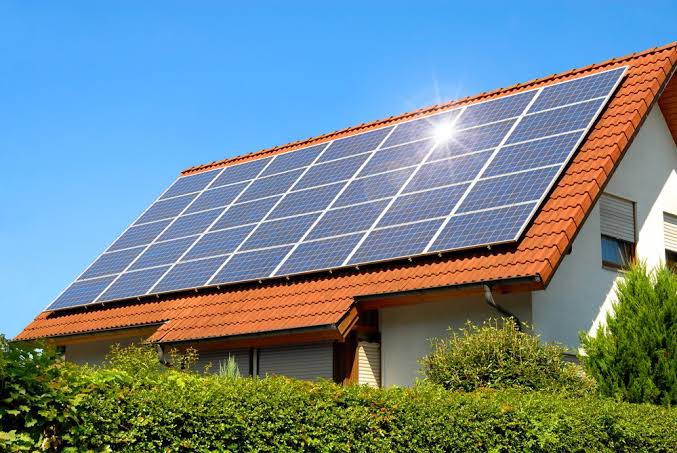
The problem storage actually solves
A solar battery is, at its simplest, a rechargeable pack that holds surplus energy your panels make during the day so the house can draw on it later. Without one, extra midday power flows back onto the grid—often credited at a rate far lower than what utilities charge to buy that same electricity back at night. Storing it on-site closes that gap.
There's a second reason people install one: resilience. When the grid fails, a solar array alone shuts off for safety. Paired with a battery, the house can keep running.
Following the energy through a single day
Here's the sequence most homeowners never see. Panels generate direct current (DC). Household appliances, though, run on alternating current (AC), so an inverter sits in the middle translating between the two. Batteries also store energy as DC, which means the smartest setups minimize how many times power gets converted back and forth—every conversion loses a little.
Round-trip efficiency—the share of stored energy you actually get back after charging and discharging—typically lands around 90% for modern lithium systems, based on figures published by the National Renewable Energy Laboratory. Tightly integrated hardware is one way to protect that number, which is part of why all-in-one designs like the SigenStor 5-in-1 energy system fold the inverter, battery, and management electronics into a single stack rather than wiring together separate boxes from different makers.
Through the day the flow looks roughly like this: sunlight charges the battery once the home's live demand is met, the battery discharges through the evening, and only when it runs low does the house pull from the grid.
What's inside the box
Most residential batteries sold today use lithium iron phosphate chemistry, usually shortened to LFP—a lithium formulation valued for thermal stability and long cycle life. Modules such as Sigenergy's BAT 6.0 and BAT 9.0 stack together, letting a household size capacity to its actual usage instead of buying more than it needs. The economics have shifted hard in storage's favor, too: BloombergNEF reports that average lithium-ion battery pack prices have fallen roughly 90% since 2010.
Managing all of it is an energy management system (EMS)—the software brain deciding, minute by minute, whether to store, discharge, or sell power. Apps like mySigen expose that logic so a homeowner can watch energy move in real time.
The backup piece
Backup performance comes down to how fast the system reacts when the grid drops. A dedicated backup controller such as the Sigen LoadHub can switch over in essentially zero milliseconds, fast enough that lights don't flicker and computers don't reboot. It can also prioritize circuits, keeping the fridge and Wi-Fi alive while shedding a load like the pool pump.
Is it worth understanding all this?
Probably, before signing a contract. Panel wattage tends to dominate solar quotes, but the storage layer determines what happens the other twenty hours of the day. Anyone weighing a purchase can compare how different residential battery storage setups handle conversion losses, stacking, and backup—the three details that quietly decide whether a system earns its keep.