

Why Short-Form Dramas Fit the Busy Lifestyle of Modern Students
22 сентября 2026, 17:16 | Лайфстайл | Просмотры: 141
Student life can look flexible from the outside, but a normal day is often divided into many small blocks of time. Classes, assignments, group projects, commuting, part-time work, meals, exercise, and social activities can leave surprisingly little uninterrupted free time.
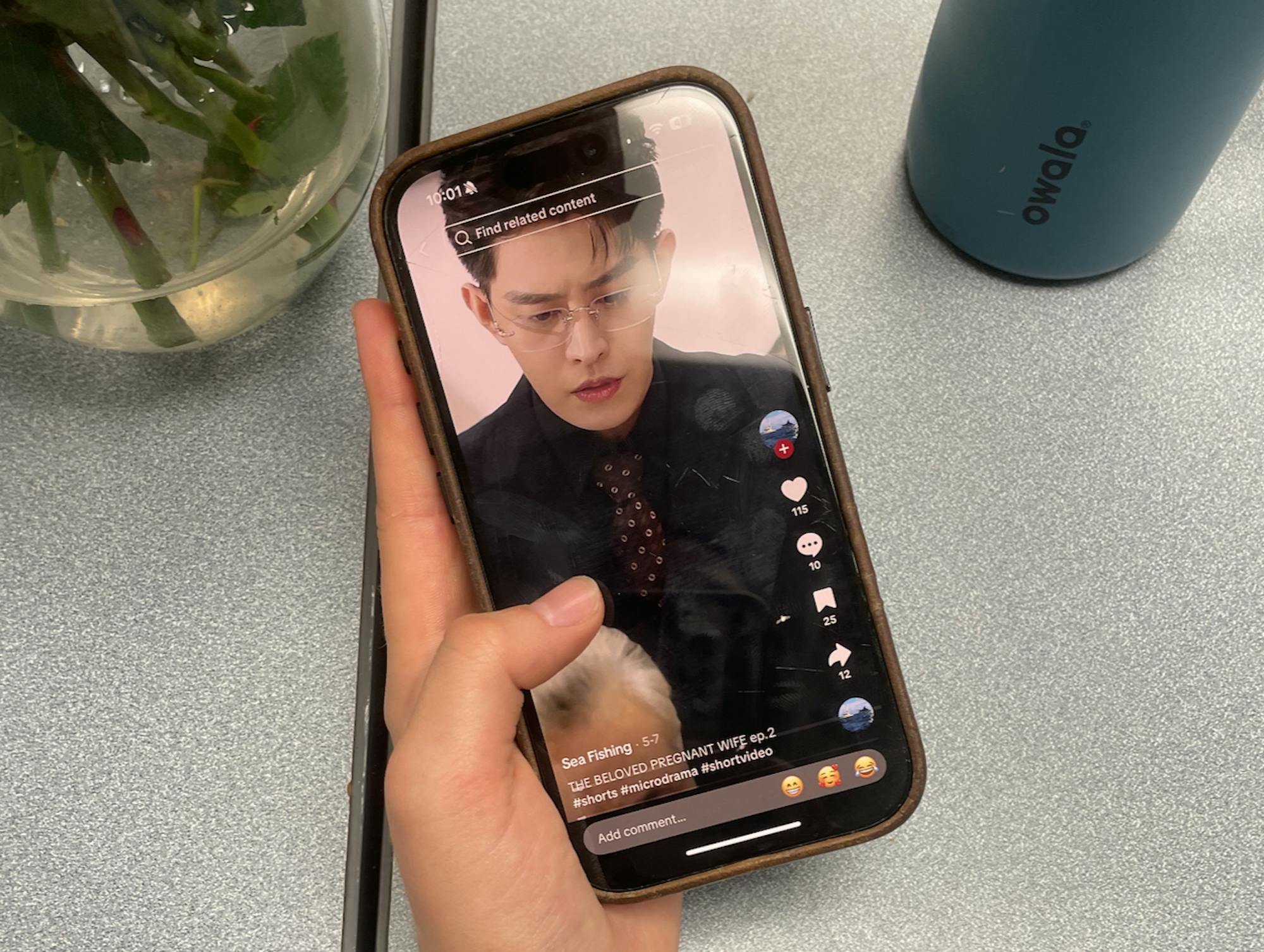
That schedule is changing the way many students consume entertainment. Instead of waiting until they have two free hours for a movie or an entire evening for several television episodes, they increasingly choose content that fits into shorter breaks.
Short-form dramas are particularly well suited to this pattern because they provide a complete piece of story in much less time than traditional television.
Student Schedules Are More Fragmented Than They Look
A university timetable rarely creates a perfect separation between study and leisure.
A student may have forty minutes between classes, twenty minutes on public transport, a short break after lunch, or half an hour before beginning an evening assignment.
These periods are long enough for entertainment, but often too short for a full movie or a conventional forty- to sixty-minute drama episode.
Long-Form Entertainment Requires a Larger Commitment
Starting a movie can feel inconvenient when the viewer already knows it will need to be paused halfway through.
The same problem occurs with long television episodes. Even if the story is interesting, the time requirement can make students postpone watching until the weekend.
Short-form entertainment removes much of that commitment.
Mobile Phones Changed the Meaning of “Free Time”
Entertainment once depended heavily on being at home in front of a television or computer.
Today, a phone can turn almost any waiting period into a short entertainment session.
Students can watch while commuting, waiting for class to begin, sitting in a café, or taking a break in the library.
Short Episodes Match Mobile Viewing Naturally
Short dramas do not require viewers to remain in one place for a long period.
A few minutes can be enough to complete an episode and reach a natural stopping point.
That makes them easier to fit into an unpredictable schedule than content designed around long continuous viewing.
A Story Can Still Feel Complete in a Short Format
Short-form does not necessarily mean random or disconnected content.
Many short dramas use compact episodes while maintaining recurring characters, continuing conflicts, romance, comedy, suspense, or other narrative elements.
The main difference is pacing. Scenes tend to reach important moments more quickly.
Fast Pacing Works Well During Short Breaks
When viewers have only a few minutes, a slow introduction can consume most of the available time.
Short-form storytelling usually establishes the situation quickly and moves directly toward a conflict, revelation, or emotional moment.
That structure fits the limited attention window of a study break.
Short Episodes Create Natural Stopping Points
One problem with endless scrolling is that there is no obvious moment to stop.
Episode-based stories provide clearer boundaries. A student can finish one or two episodes and then return to work.
This can make short dramas feel more manageable than entertainment that has no clear endpoint.
They Work Well Between Study Sessions
Long periods of concentration can become mentally tiring.
Students often take short breaks before beginning the next reading assignment, problem set, or writing session.
A brief episode can provide a change of focus without turning the break into an entire evening of entertainment.
The Key Is Keeping the Break Intentional
Short content can fit a study routine, but the length of the individual episode does not automatically guarantee a short break.
Watching ten short episodes in a row can take just as much time as one long program.
A simple limit, such as one episode or a fixed break period, can help keep entertainment from taking over the study session.
Short Dramas Can Reduce the “I Don’t Have Time” Barrier
Students often save entertainment for later because they expect it to require a large block of free time.
When an episode is only a few minutes long, starting feels easier.
There is less pressure to find the perfect time or commit to a long session.
They Are Easy to Resume Later
With long films, stopping in the middle can make it harder to remember exactly what was happening.
Short episodic formats create more frequent narrative checkpoints, making it easier to continue later.
Commuting Is an Important Viewing Window
For students who travel to campus by bus, train, or subway, commuting can represent a substantial part of the day.
Short-form dramas fit this period particularly well because an episode can often be completed before the next stop or transfer.
Headphones and Small Screens Favor Compact Content
A phone screen is not always ideal for visually complex cinema.
Short mobile-oriented stories often use close framing, clear dialogue, and relatively direct scenes that remain easy to follow on a smaller device.
Not Every Break Needs to Be Productive
Students are frequently encouraged to optimize every minute of the day.
But rest does not always need to become another task.
A few minutes of entertainment can simply provide mental distance from lectures, deadlines, and academic pressure.
Short Entertainment Can Feel Less Mentally Demanding
After spending hours reading academic material, some students do not want another activity that requires intense concentration.
A short, straightforward story can be easier to enjoy during these low-energy moments.
Genre Variety Makes the Format Flexible
Short-form storytelling can work with romance, comedy, family drama, revenge stories, fantasy, thriller, or other genres.
This means students are not limited to one kind of entertainment simply because they prefer shorter episodes.
Students Can Choose Based on Mood
A light comedy may work during a lunch break, while a suspenseful series may be more appealing during the evening.
The short format makes it easier to experiment with different genres without committing several hours to a new show.
Trying a New Series Requires Less Time
Starting an unfamiliar full-length series can feel like a major commitment when it has multiple seasons and dozens of long episodes.
Short dramas reduce the cost of experimentation.
A viewer can watch a few episodes and quickly decide whether the characters or story are interesting enough to continue.
Discovery Has Become Part of the Entertainment Experience
Students no longer discover series only through television schedules.
Recommendations may come from friends, social media clips, search results, discussion communities, or websites that collect information about different short-form titles.
For someone exploring this format, a resource such as dramashorts.net can be one online starting point for checking out different short-form series, alongside the other platforms and recommendations a viewer already uses.
Social Recommendations Matter More With Short Content
A friend can recommend a short series without asking someone to commit an entire weekend.
That makes casual recommendations easier to act on.
Students can sample the story quickly and join the conversation if they enjoy it.
Short Clips Can Lead Viewers to Full Stories
A dramatic scene shared on social media often creates curiosity about what happened before or what happens next.
Short-form series are well positioned for this behavior because the original episodes are themselves relatively compact.
The Format Fits Modern Attention Patterns
People regularly switch between messages, study materials, apps, and notifications throughout the day.
While constant interruption is not always beneficial, entertainment formats have adapted to this reality.
Short dramas can deliver a narrative experience without requiring the viewer to protect a large uninterrupted period.
That Does Not Mean Long-Form Storytelling Is Disappearing
Movies and traditional series offer depth, atmosphere, and long character arcs that short episodes cannot always reproduce in the same way.
The two formats serve different situations rather than necessarily competing for the same moment.
A student may watch short dramas during the week and save longer entertainment for a free evening.
Short-Form Viewing Can Be More Flexible Around Deadlines
Workloads often change suddenly during the semester.
A week with few assignments can become a week filled with exams, presentations, and project deadlines.
Short entertainment is easier to adjust around those changes because it does not require a fixed viewing schedule.
There Is Less Pressure to “Catch Up”
Following several conventional series can create a backlog of long episodes.
For busy students, entertainment can then begin to feel like another obligation.
Short episodes make it easier to consume a story gradually without creating the same sense of being far behind.
Language Learners May Find Short Scenes Approachable
Students learning another language sometimes use entertainment as informal listening practice.
Short scenes can be replayed more easily than a full hour-long episode, especially when viewers want to review dialogue or subtitles.
Rewatching Is Less Time-Consuming
If an important scene was confusing, replaying several minutes is simple.
This can be useful when the story moves quickly or when the viewer missed dialogue while commuting.
Short Episodes Are Easy to Discuss
Because they focus on a small number of events, individual episodes can be easy to summarize and discuss with friends.
This makes them suitable for casual conversations between classes or in online student communities.
They Can Provide a Quick Emotional Reset
Academic work can involve long periods of analytical thinking.
A short comedy, romantic scene, or dramatic twist provides a different type of mental stimulation.
For some students, that contrast is part of what makes a short break feel refreshing.
Students Still Need to Manage Autoplay
Short episodes create one obvious risk: because each one is brief, starting another can feel harmless.
Autoplay can turn a planned ten-minute break into a much longer session.
Disabling autoplay or using a timer can make the format easier to fit into a study routine.
Notifications Can Also Extend Viewing
A platform that constantly announces new episodes may pull attention away from studying.
Students who enjoy short-form entertainment but want fewer interruptions can reduce or disable unnecessary notifications.
Entertainment Works Better When It Has a Place in the Schedule
The goal does not have to be eliminating entertainment during busy periods.
It can be more realistic to give it a defined place: during lunch, after completing a task, or in a fixed break between study sessions.
A Short Episode Can Act as a Small Reward
Some students use brief entertainment as a reward after finishing a chapter, assignment section, or other defined task.
Because the episode has a clear ending, it can fit naturally into this pattern.
It Is Still Important to Protect Sleep
The phrase “just one more episode” applies to short dramas too.
Their small individual length can make late-night continuation especially tempting.
Students with early classes may need a firm stopping point regardless of episode duration.
Short-Form Entertainment Is Also Easy to Share
Students often exchange recommendations through group chats and social platforms.
A short series is easier to introduce because friends can sample it without a large time investment.
Choice Becomes More Important as the Format Grows
As more short-form series appear online, discovery becomes harder.
Viewers may encounter many titles but have limited time to decide what is worth trying.
Genre, episode length, synopsis, and recommendations become useful filters.
Students Benefit From Keeping Entertainment Separate From Study Tools
Using different browser folders, home-screen pages, or viewing periods can reduce unnecessary distraction.
The idea is not to make entertainment difficult to access, but to prevent it from interrupting work automatically.
Mobile Convenience Is the Main Advantage
Short-form drama fits student life because it adapts to the available time rather than demanding that the schedule adapt to it.
A five- or ten-minute opening in the day can become enough for a small piece of storytelling.
Why the Format Fits Student Life
episodes fit into short breaks between classes or assignments
mobile viewing works well during commuting and waiting time
new series can be sampled without a large time commitment
clear episode endings provide natural stopping points
different genres allow students to choose according to mood
short stories can provide a quick mental break from academic work
viewing can be adjusted easily during busier parts of the semester
Short Dramas Match a Lifestyle Built Around Small Windows of Time
The popularity of short-form entertainment among students is not difficult to understand. Student schedules are often filled with many responsibilities rather than one continuous block of work and one continuous block of leisure.
Short dramas fit naturally into the small spaces between those responsibilities. They offer characters, conflict, humor, romance, and suspense without requiring the same commitment as a full movie or long television episode.
For students who manage their viewing intentionally, the format can provide a convenient way to enjoy a story, take a brief break, and return to the rest of the day without needing to reorganize an already busy schedule.